What a boutique course should teach you
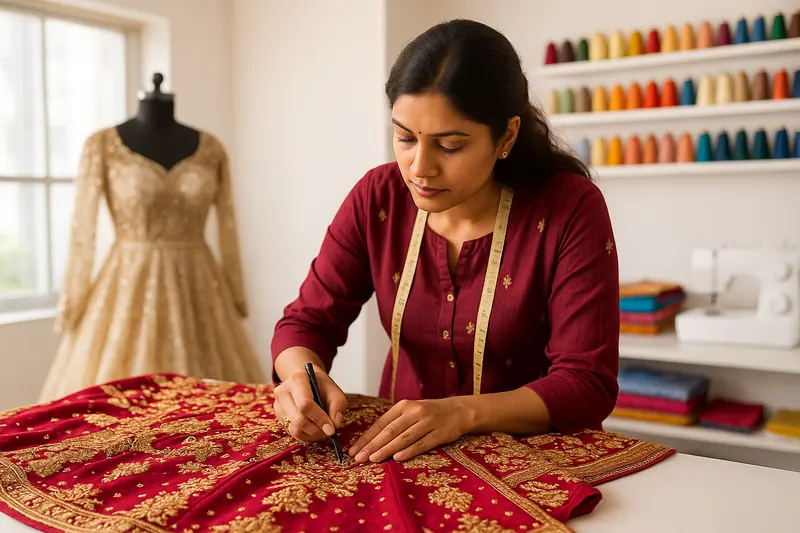
People search for a “boutique course” when they want to start their own boutique or work in one. A good boutique course is not a single subject – it combines the skills a boutique needs every day:
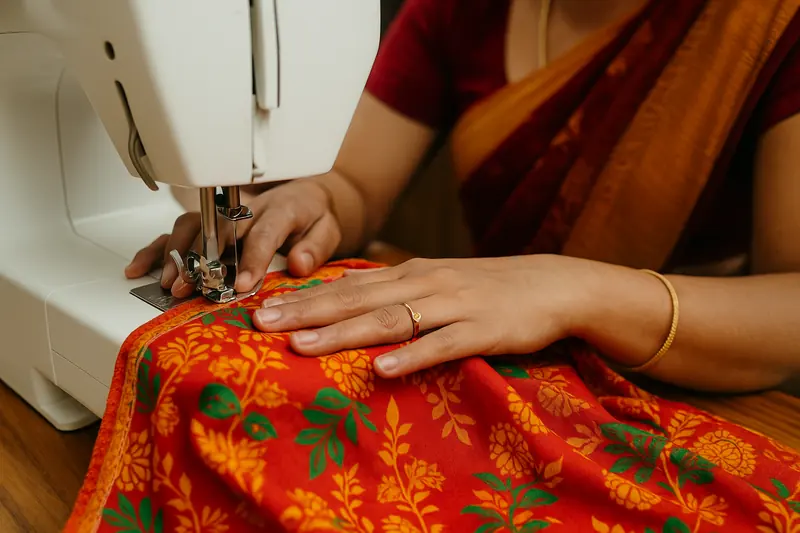
- Stitching and fitting – cutting, construction and finishing so garments fit well
- Design – patterns, draping and creating your own styles
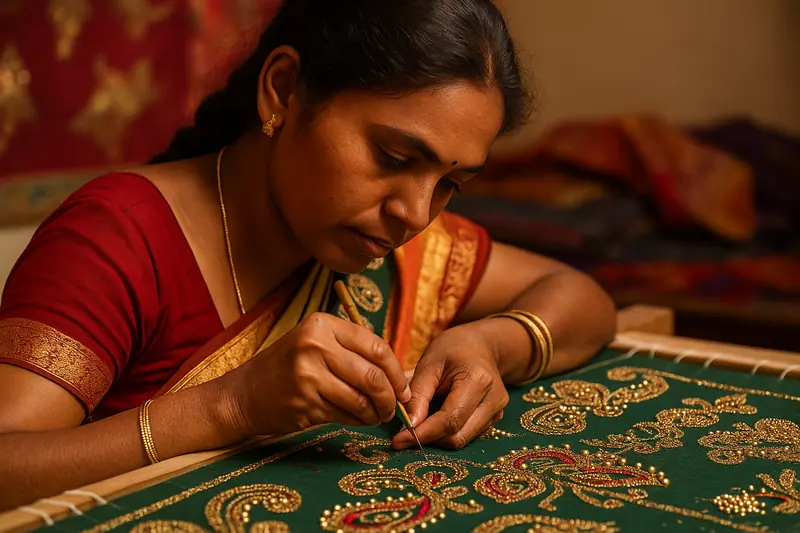
- Embellishment – hand embroidery and aari work that customers pay extra for
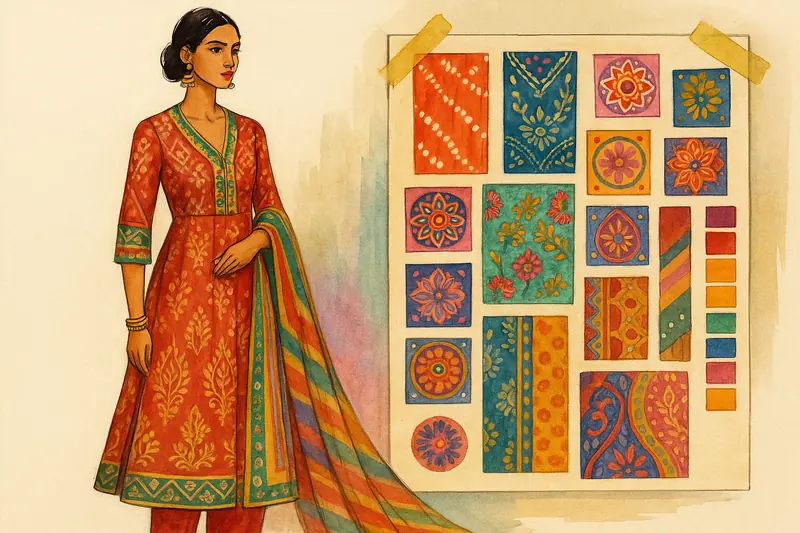
- Presentation – sketches, mood boards and a portfolio that win customers
At Maker’s School each of these skills is a separate, practical course, so you can build your boutique skill set at your own pace.
Your boutique learning path
A sensible order for someone who wants to open a boutique:
- Start with stitching: Regular TailoringLearn the sewing machine, measurements, pattern drafting and garment construction – the base of every boutique. ₹500 admission + ₹2,500 per month.
- Build your niche: Specialization CourseGo deep into bridal wear, kids’ wear or advanced patternmaking, and create a portfolio of signature pieces. ₹500 admission + ₹4,000 per month.
- Add embellishment: Aari Work or Hand EmbroideryEmbroidered blouses and bridal hand-work set a boutique apart. Aari Work is ₹12,000 and Hand Embroidery is ₹7,000.
- Present your designs: Fashion Illustration and DrapingSketch and present designs, then shape them on the dress form. Each is ₹10,000.
Prefer one structured programme? The 2-year Diploma in Fashion Designing (₹2,00,000) covers all of these subjects, plus fashion history and textiles, portfolio development and internship assistance.
Boutique tailoring or boutique designing?
Boutique tailoring is about execution: making a garment fit perfectly and look clean inside and out. Boutique designing is about ideas: creating styles and presenting them. A successful boutique needs both. If you are new, begin with tailoring; if you already stitch, move to specialization, draping and illustration.
What the Specialization Course adds for boutique owners
The Specialization Course includes industry insights – trend forecasting, fabric sourcing strategies, sustainable textiles and brand positioning – alongside advanced techniques and a portfolio of three to four signature pieces. It is the part of our programme closest to running a design label.
For the day-to-day steps of opening a boutique – choosing a niche, pricing, finding customers and handling registrations – read our guide on how to start a boutique from home.